William Morris Prints
You can buy William Morris prints on this site as fine art prints and seamless pattern files, taken from public-domain museum scans of original historic patterns. Every print is printed and shipped by ArtsyWall in three formats for your home.
The pattern library
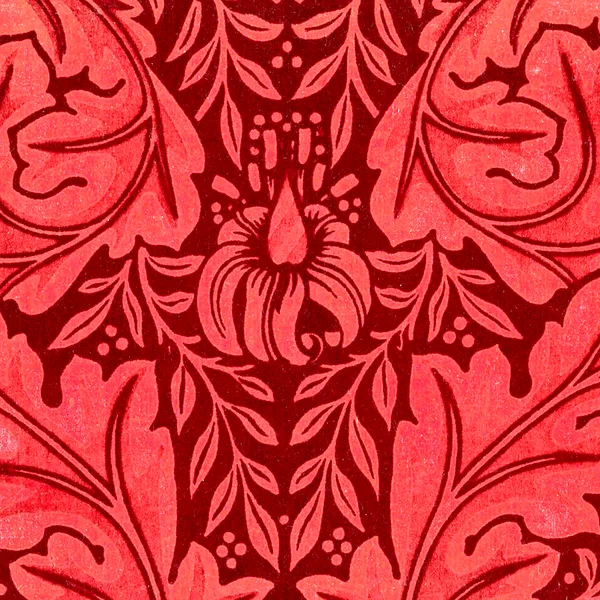
Acanthus1876 · William Morris
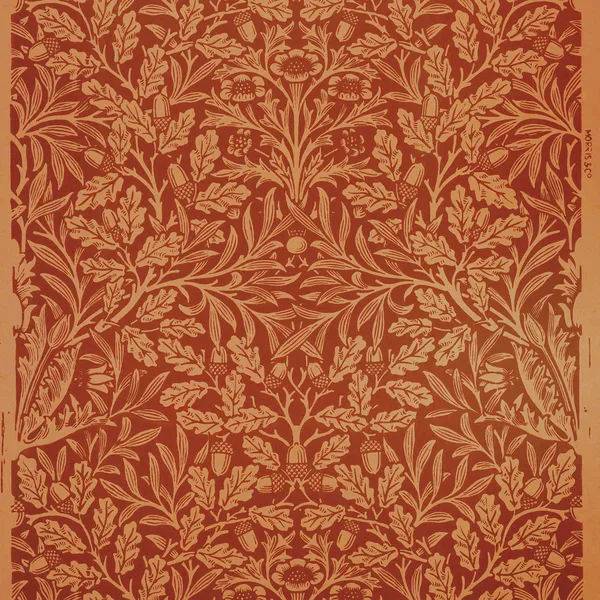
Acorn1880 · William Morris
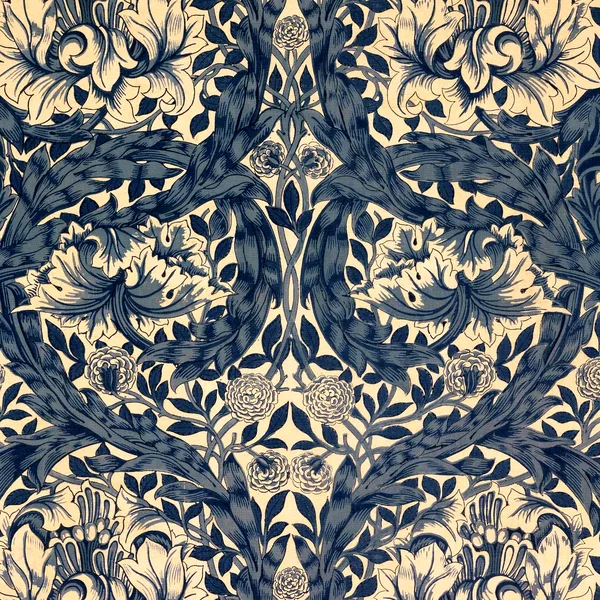
African Marigold1876 · William Morris
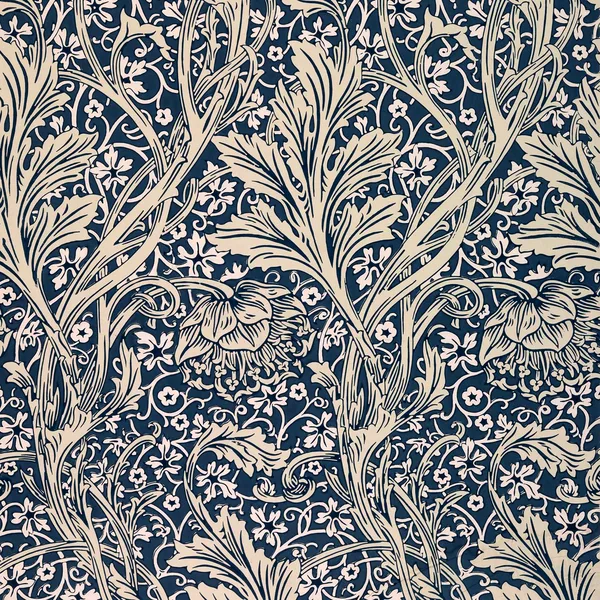
Arcadia1886 · May Morris
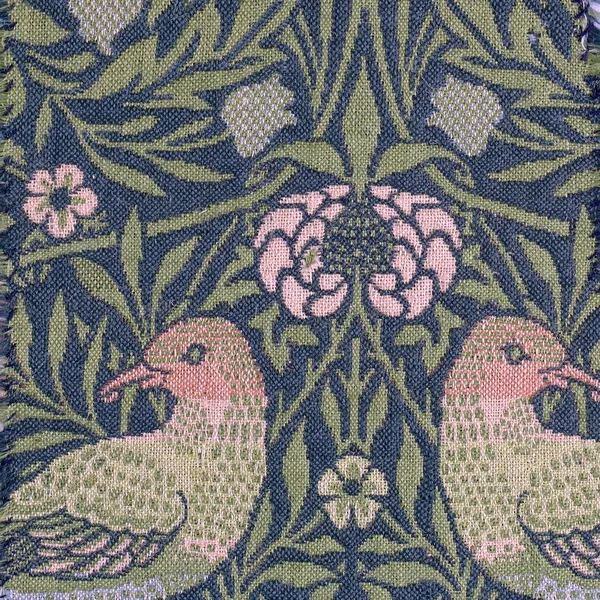
Bird1878 · William Morris
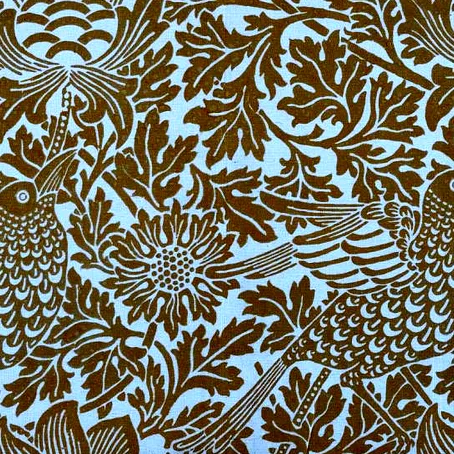
Bird and Anemone1881 · William Morris
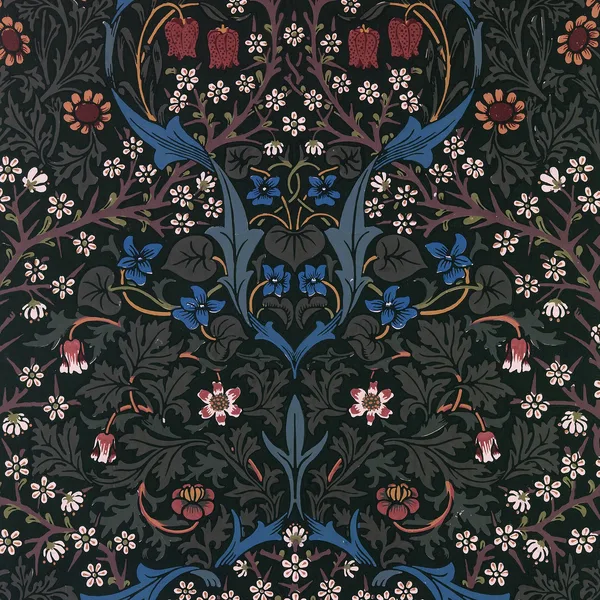
Blackthorn1892 · William Morris
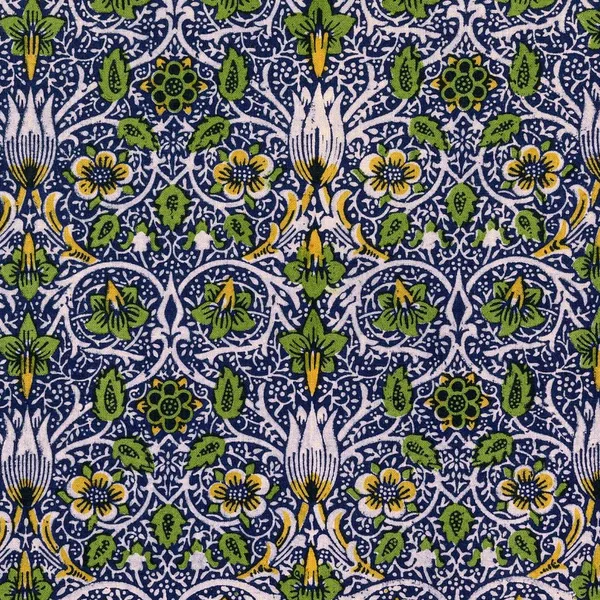
Borage1883 · William Morris
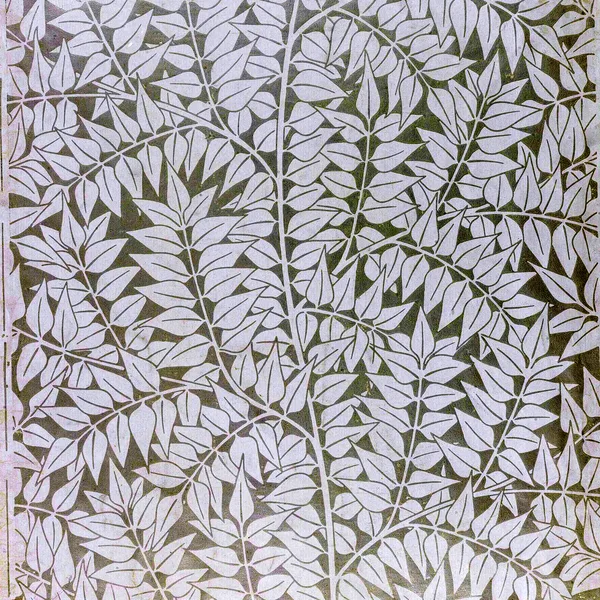
Branch1872 · William Morris
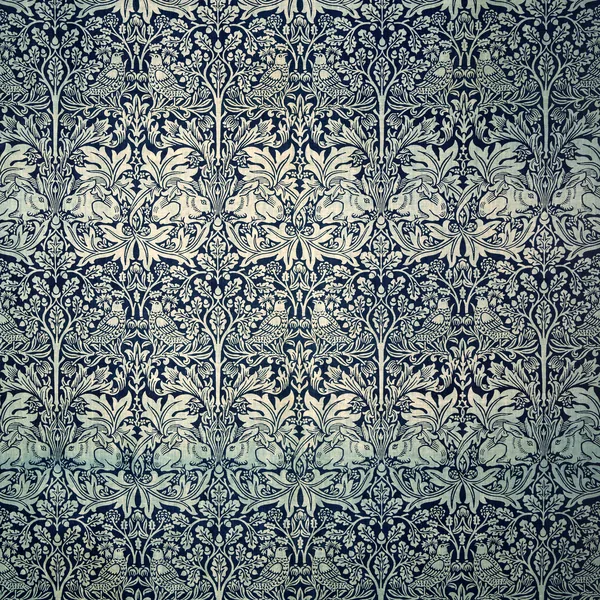
Brother Rabbit1882 · William Morris
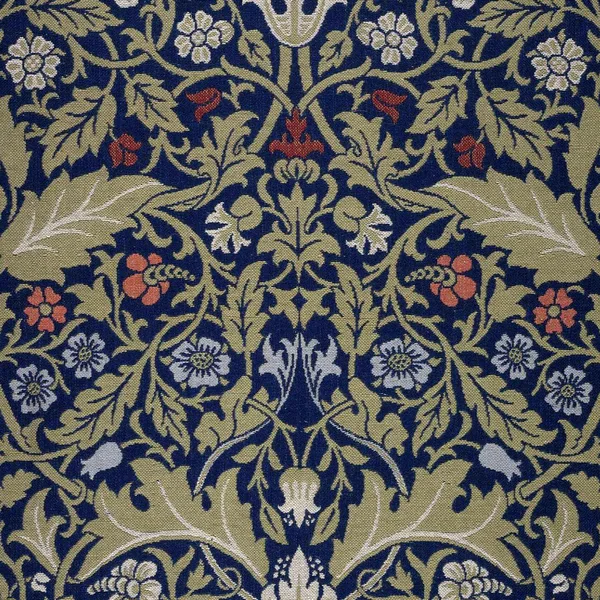
Campiondate unknown · Morris & Co. (designer not recorded)
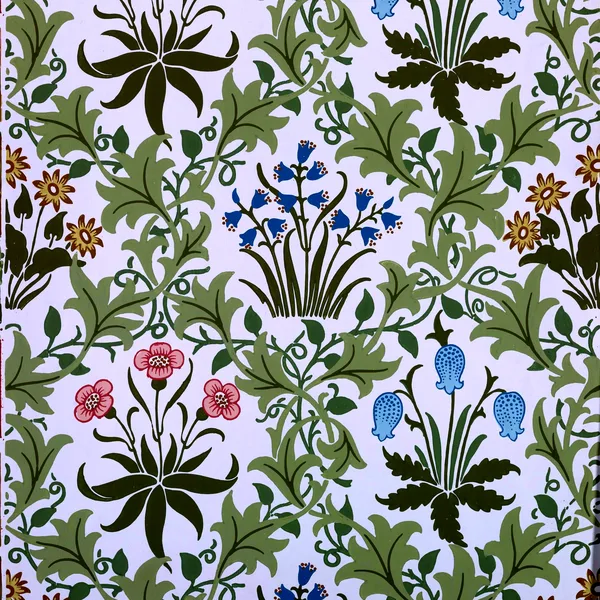
Celandine1872 · J.H. Dearle
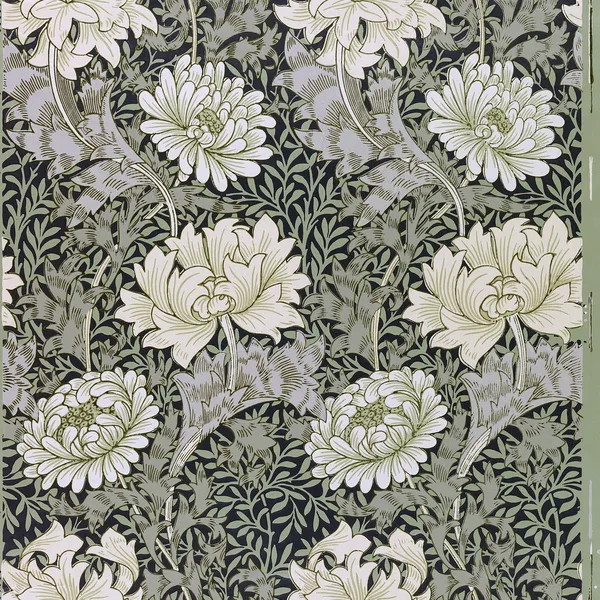
Chrysanthemum1877 · William Morris
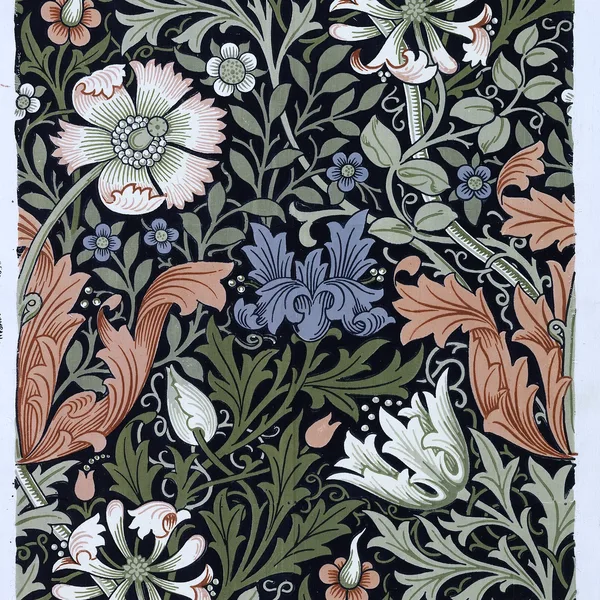
Compton1896 · J.H. Dearle
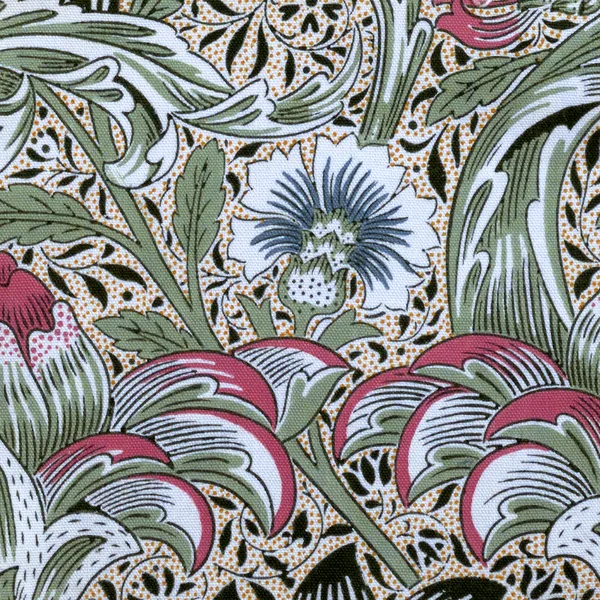
Corncockle1883 · William Morris
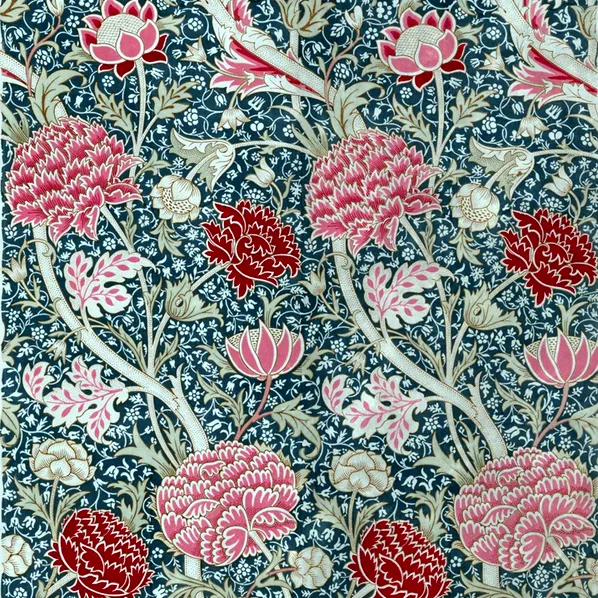
Cray1884 · William Morris
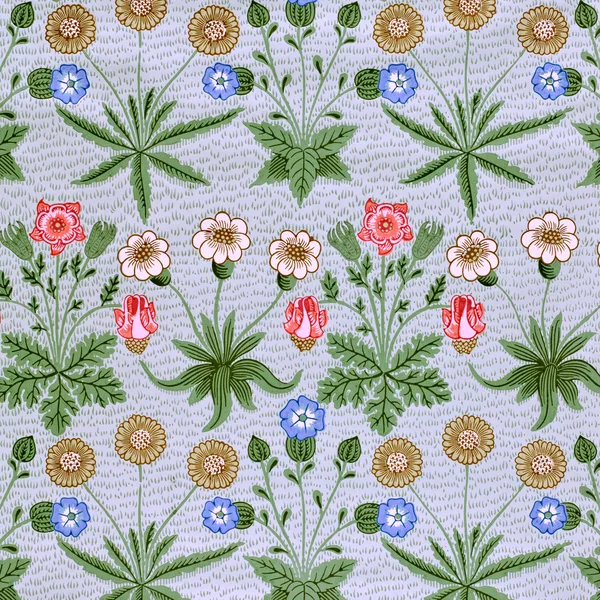
Daisy1862 · William Morris
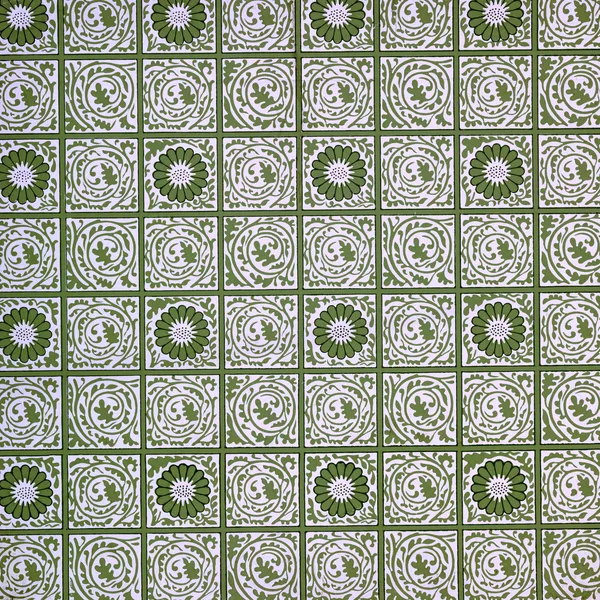
Diaper1863 · William Morris
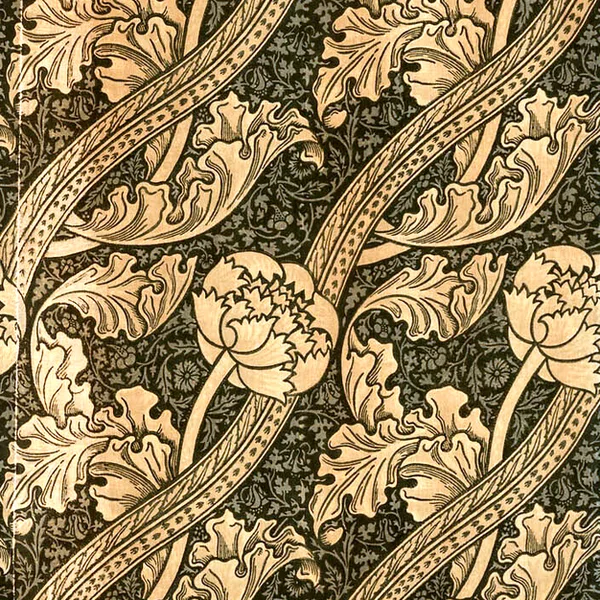
Florence1890 · J.H. Dearle
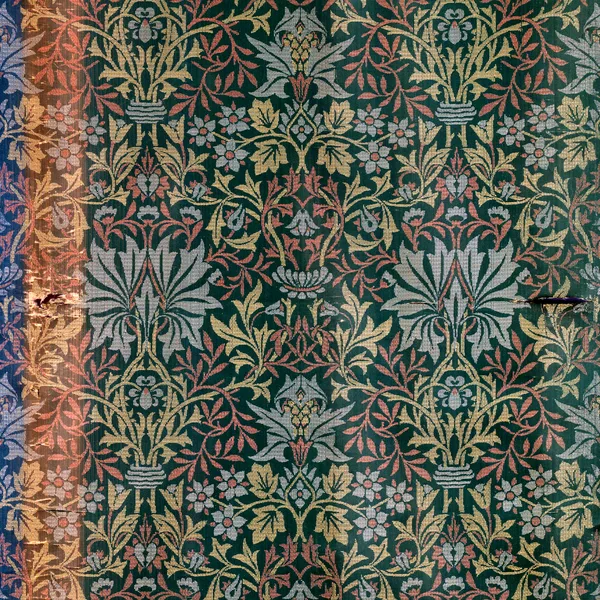
Flower Garden1879 · William Morris
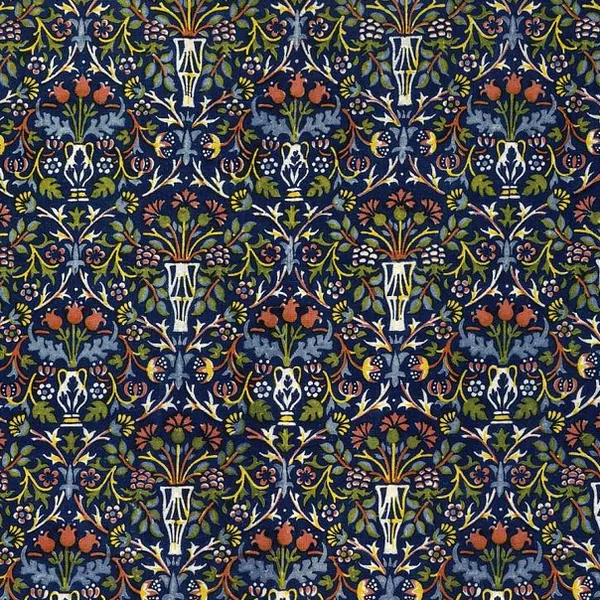
Flower Pot1883 · William Morris
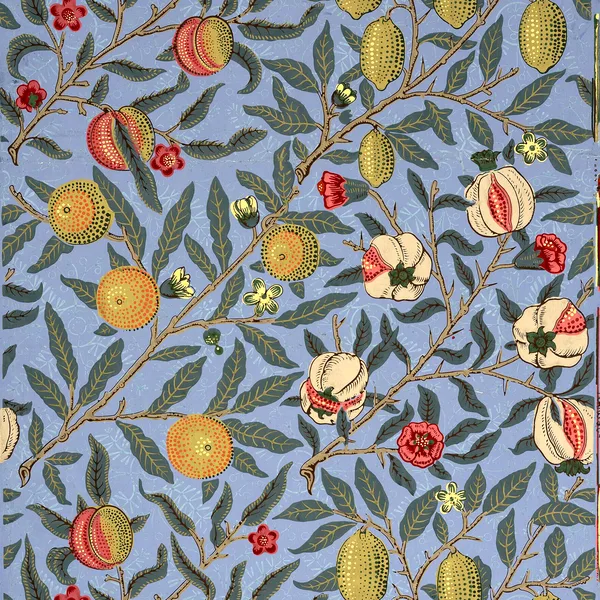
Fruit1862 · William Morris
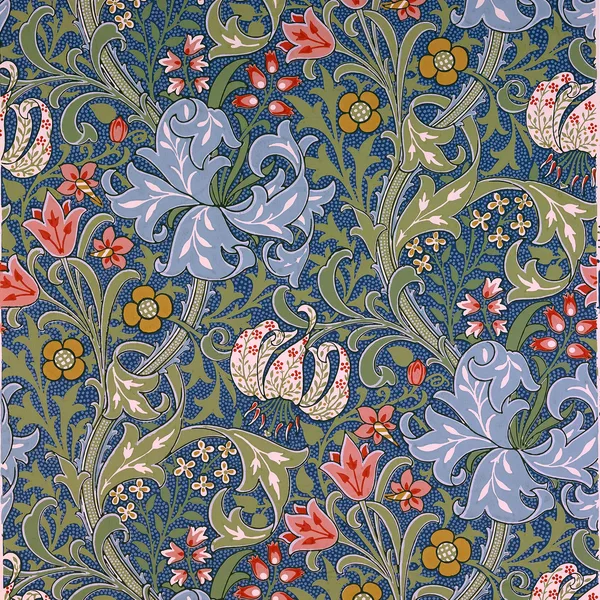
Golden Lily1899 · Morris & Co. (designer not recorded)
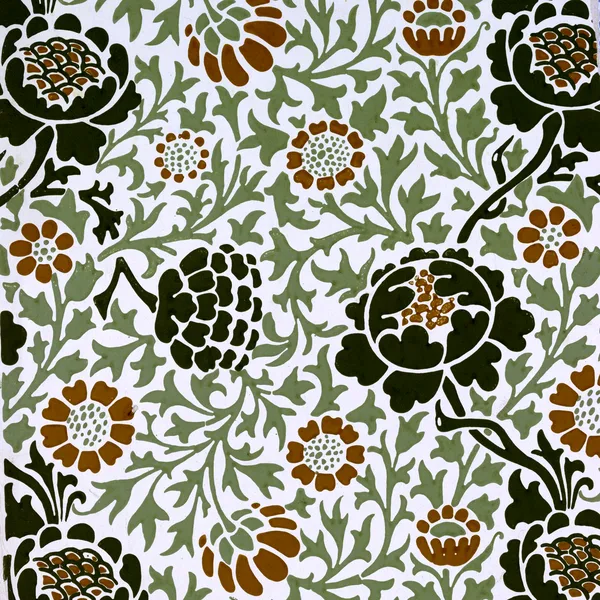
Grafton1883 · William Morris
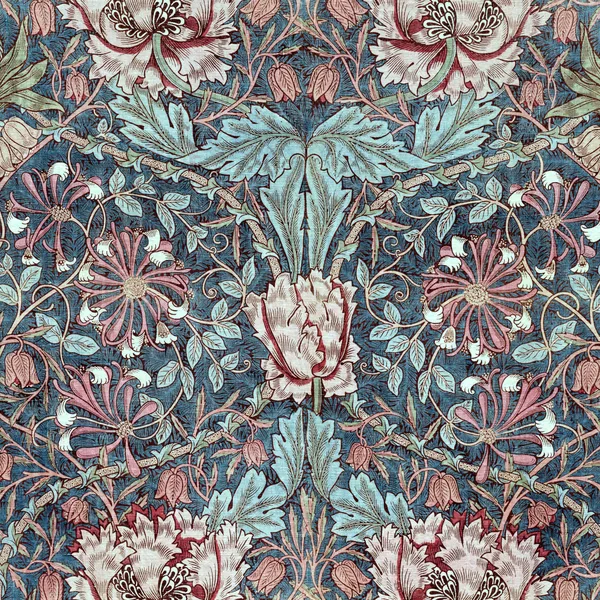
Honeysuckle1876 · William Morris
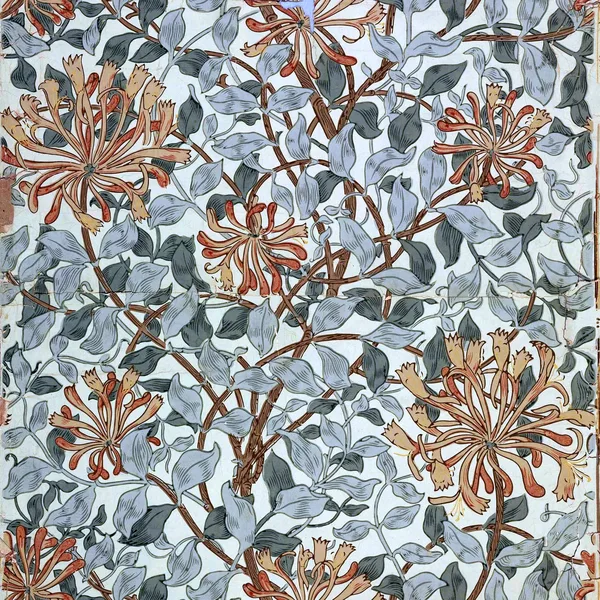
Honeysuckle1883 · May Morris
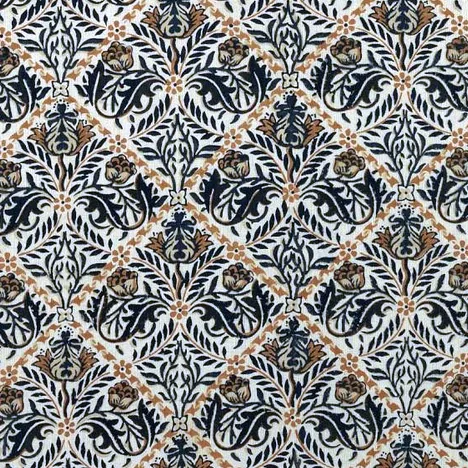
Indian Diaper1876 · William Morris
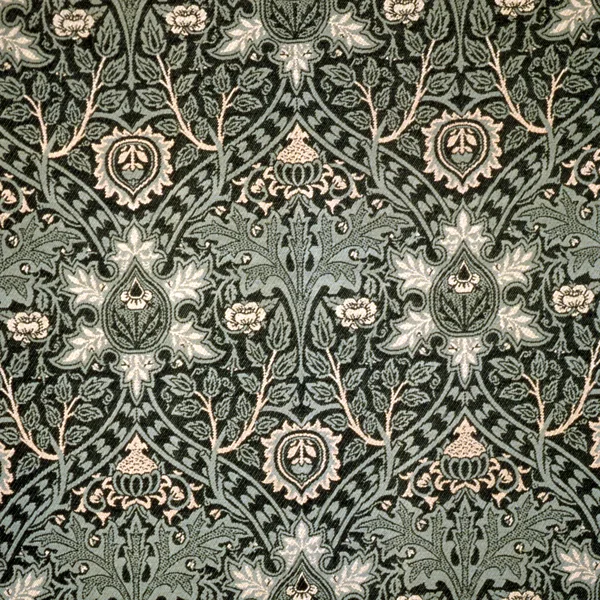
Ispahan1888 · J.H. Dearle
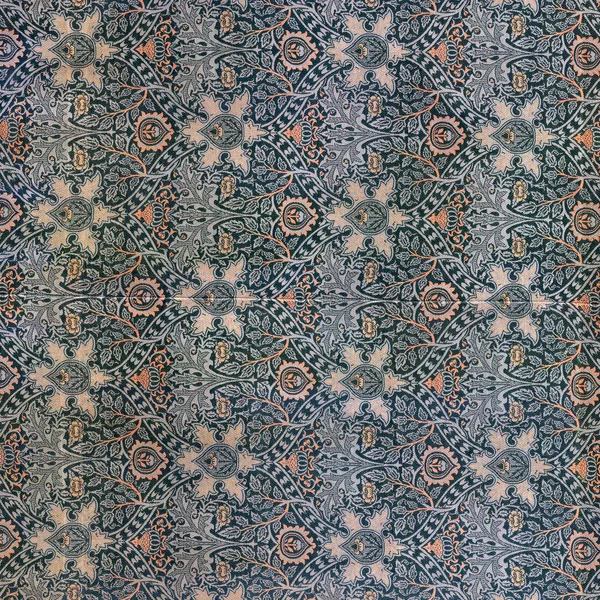
Ispahan1888 · William Morris
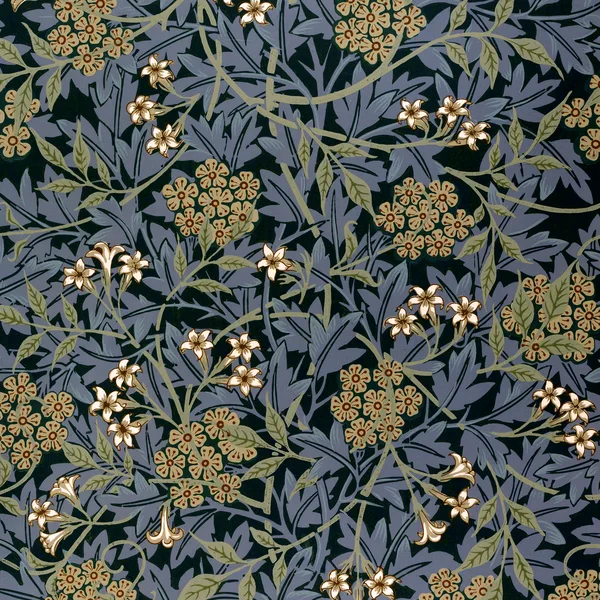
Jasmine1872 · William Morris
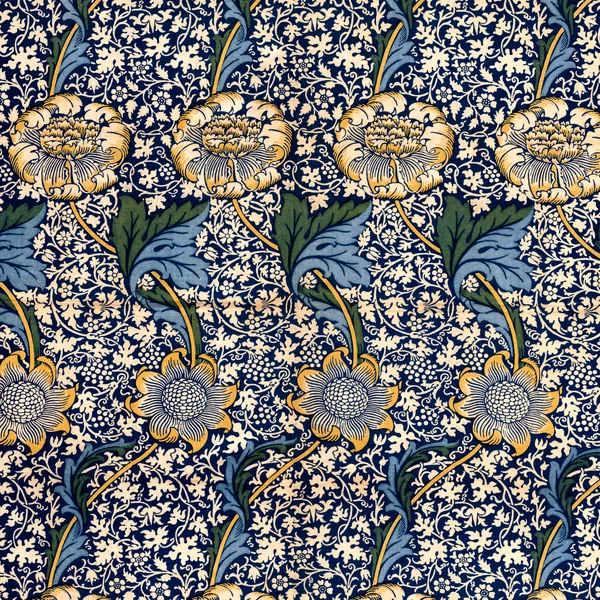
Kennet1883 · William Morris
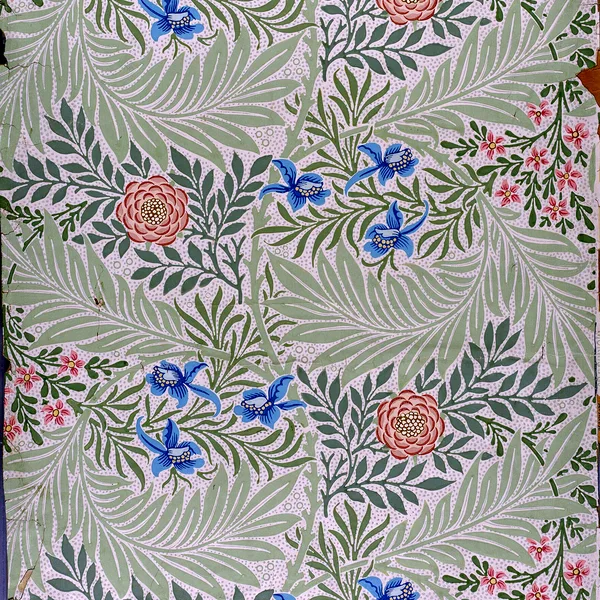
Larkspur1874 · William Morris
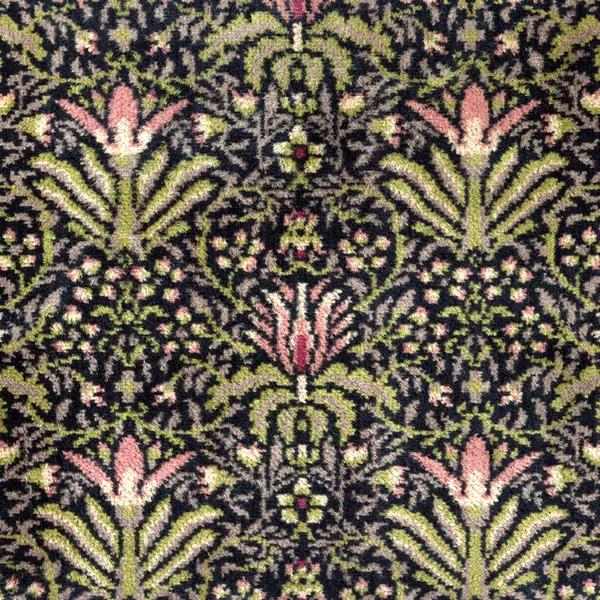
Lily1877 · William Morris
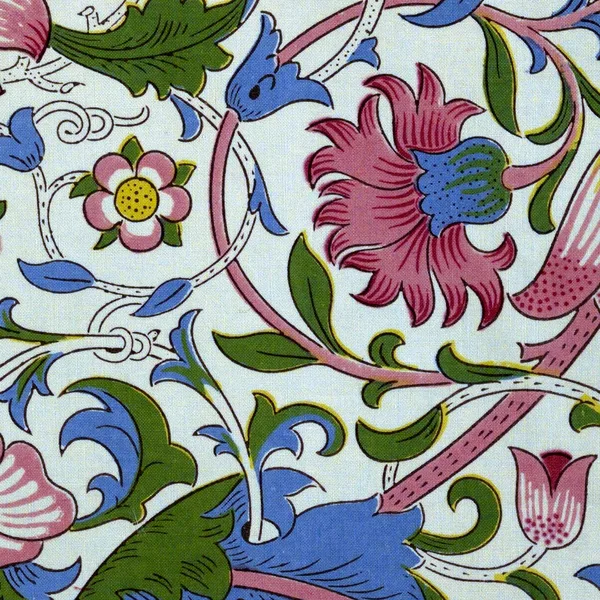
Lodden1884 · William Morris
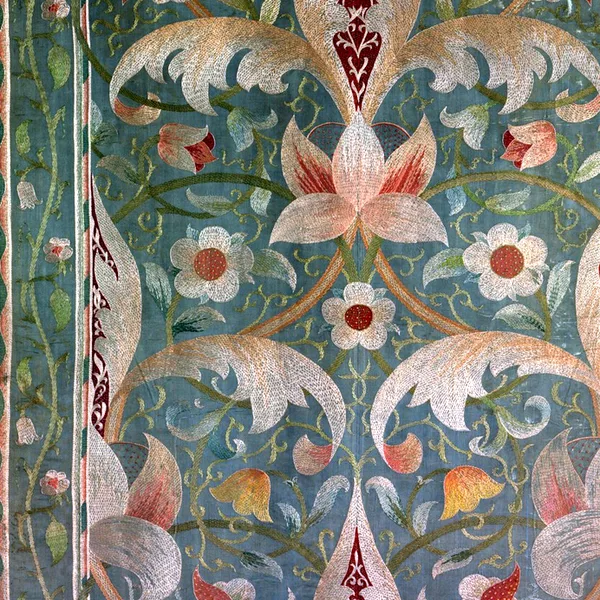
Lotus1888 · May Morris
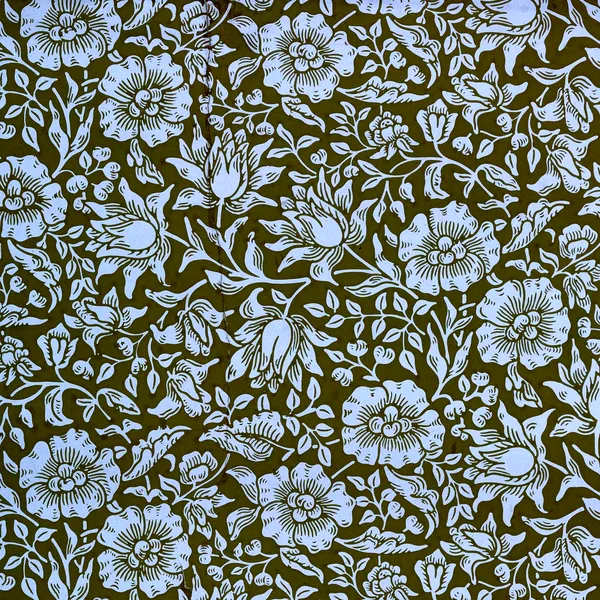
Mallow1879 · Kate Faulkner
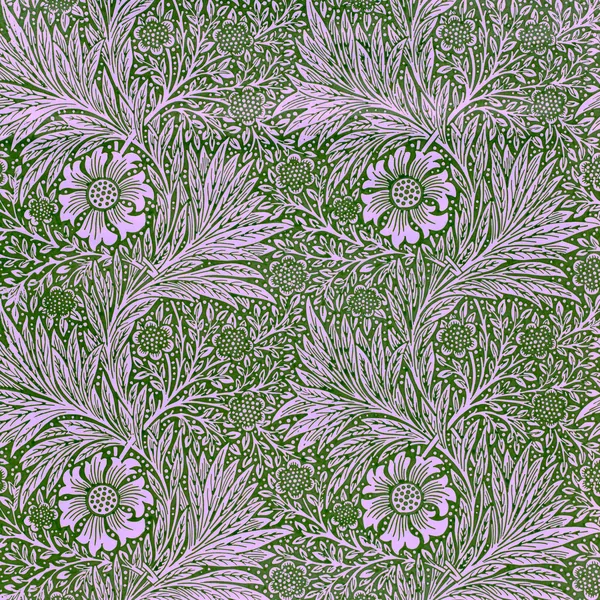
Marigold1873 · William Morris
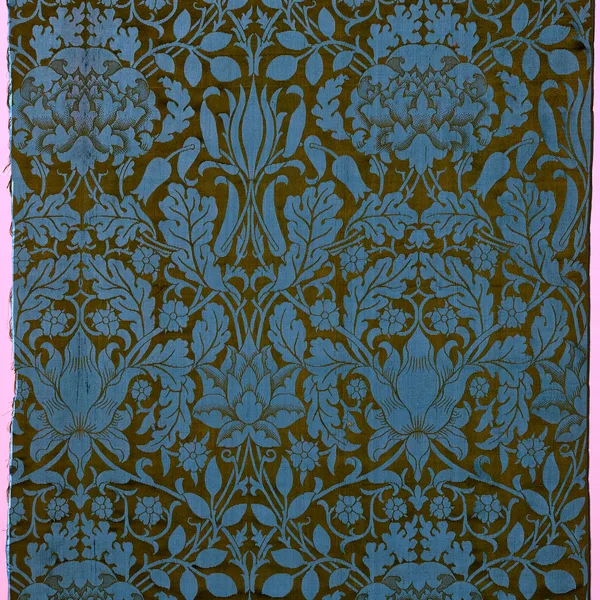
Oak1881 · William Morris
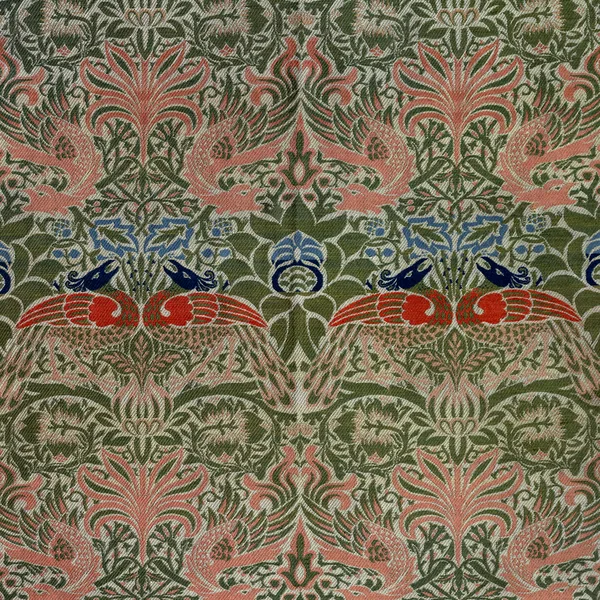
Peacock and Dragon1878 · William Morris
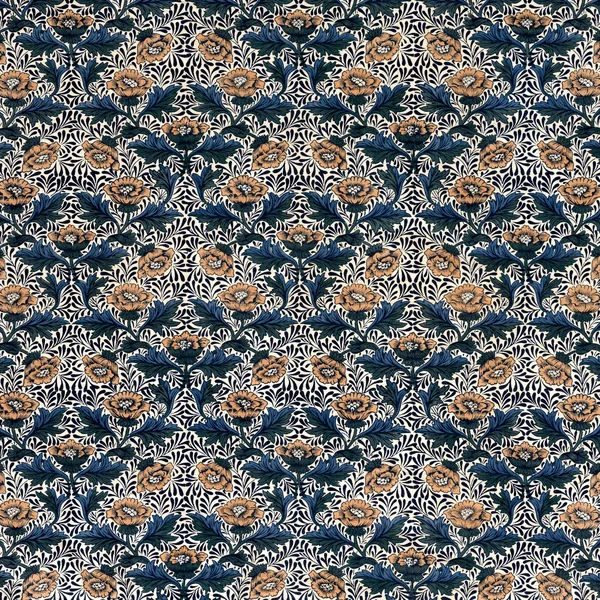
Peonydate unknown · Kate Faulkner
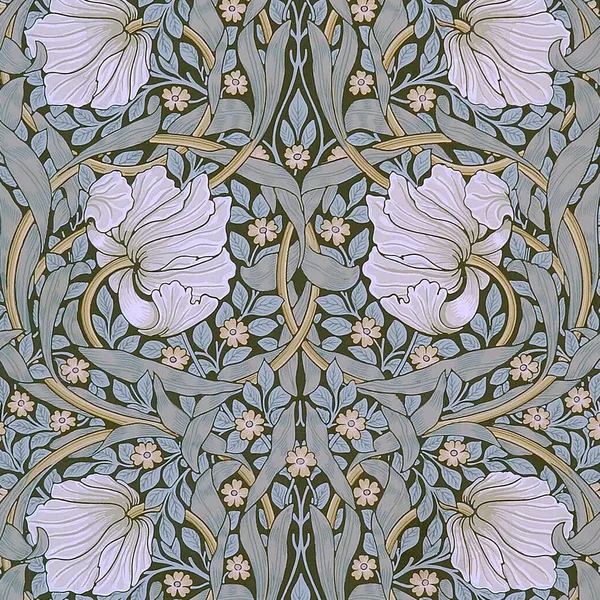
Pimpernel1876 · William Morris
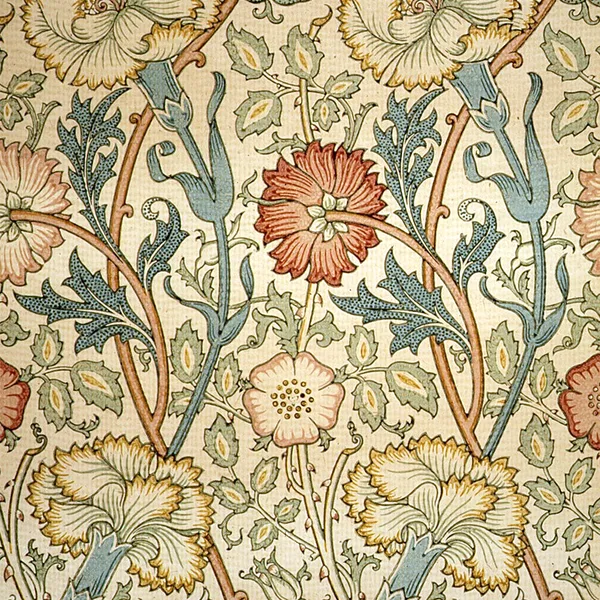
Pink and Rose1890 · William Morris
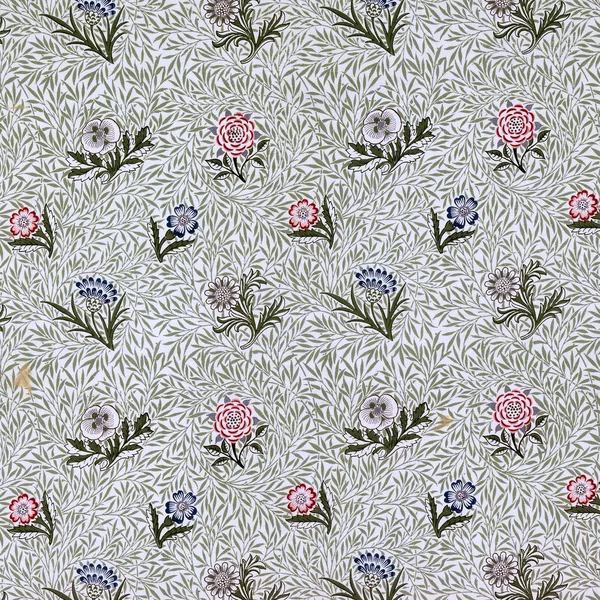
Powdered1874 · William Morris
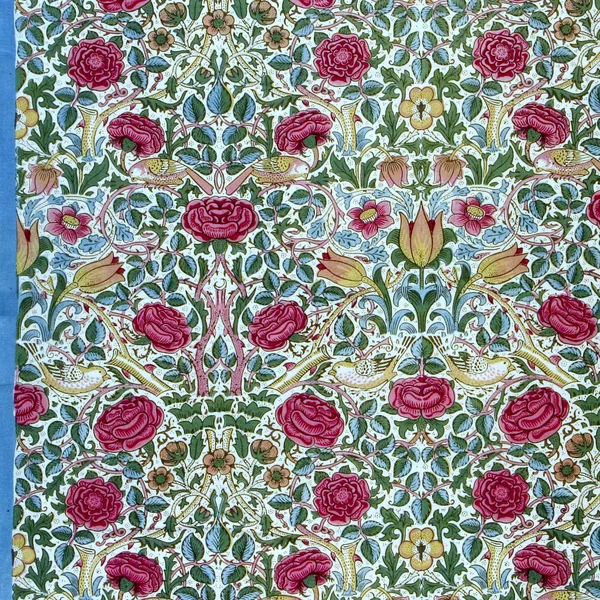
Rose1883 · William Morris
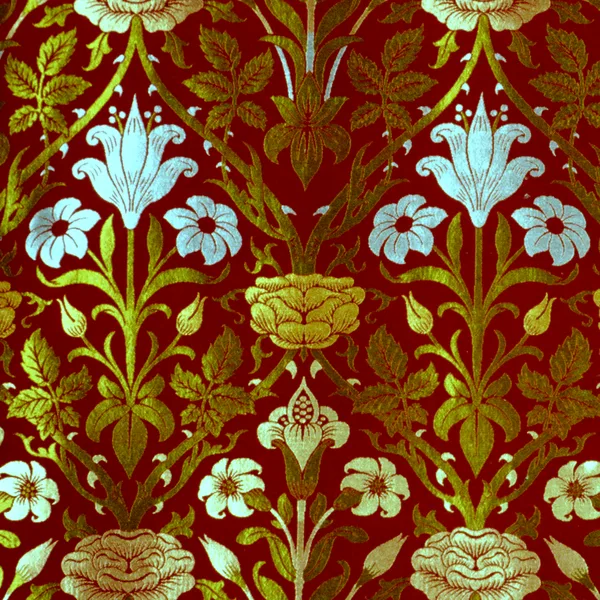
Rose and Lily1893 · J.H. Dearle
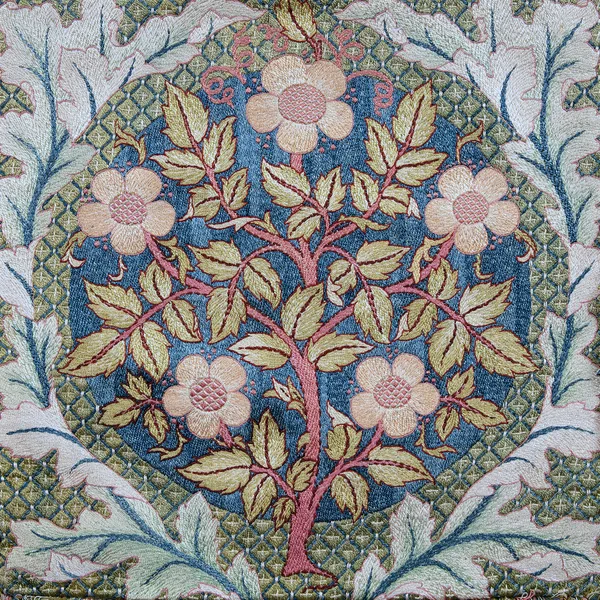
Rose Wreathdate unknown · William Morris
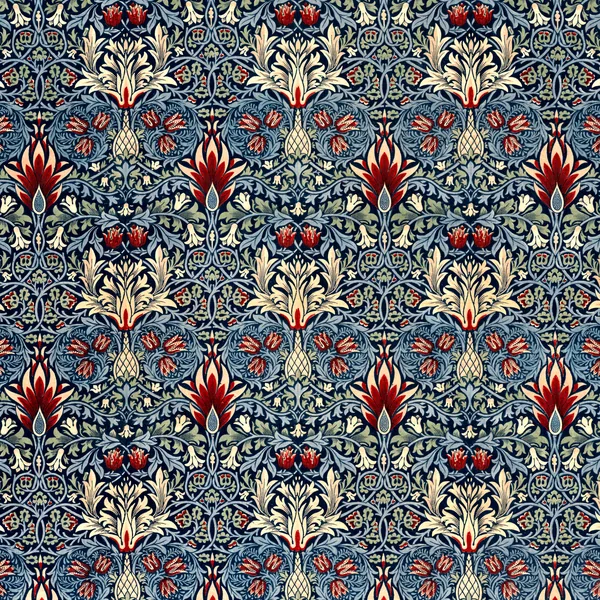
Snakeshead1876 · William Morris
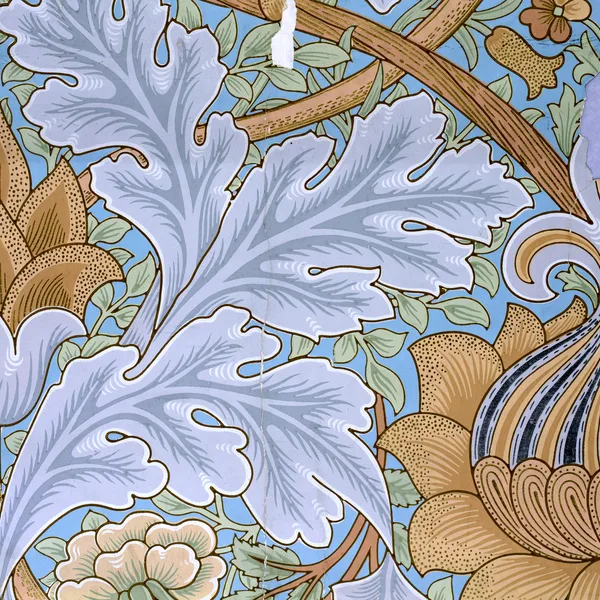
St James1881 · William Morris
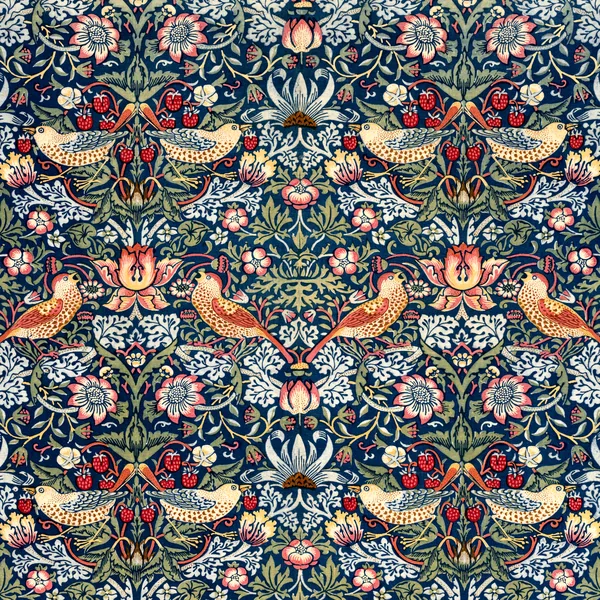
Strawberry Thief1883 · William Morris
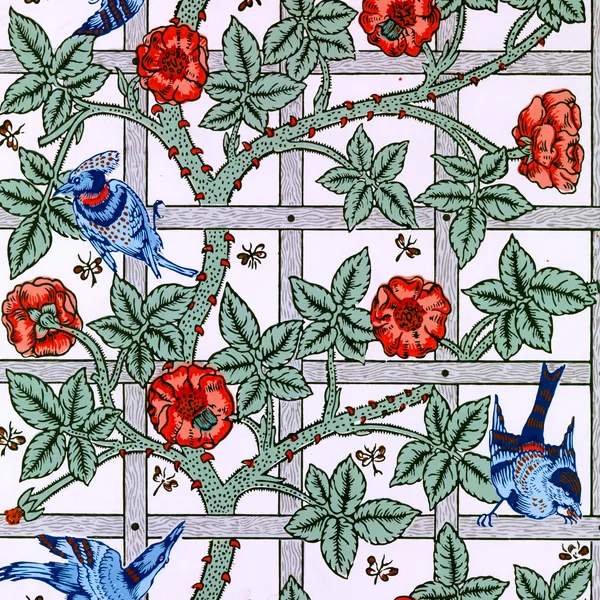
Trellis1862 · William Morris
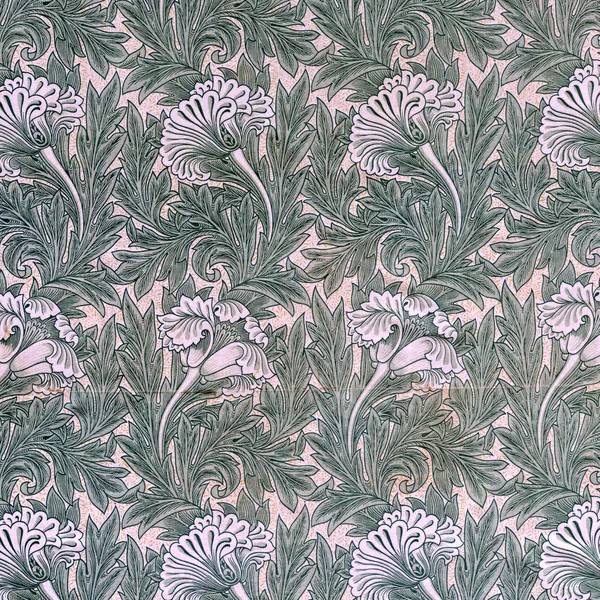
Tulip1875 · William Morris
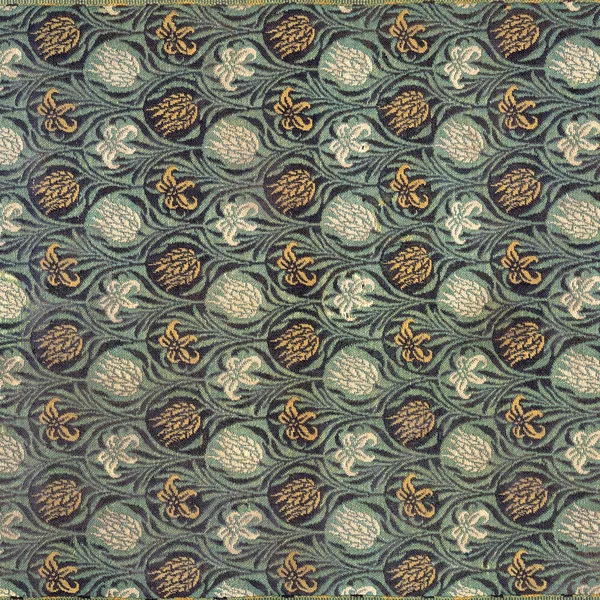
Tulip and Lily1875 · William Morris
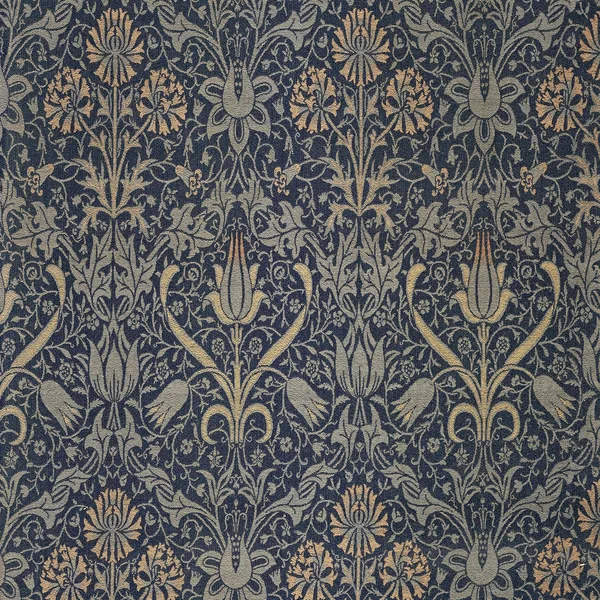
Tulip and Net1888 · William Morris
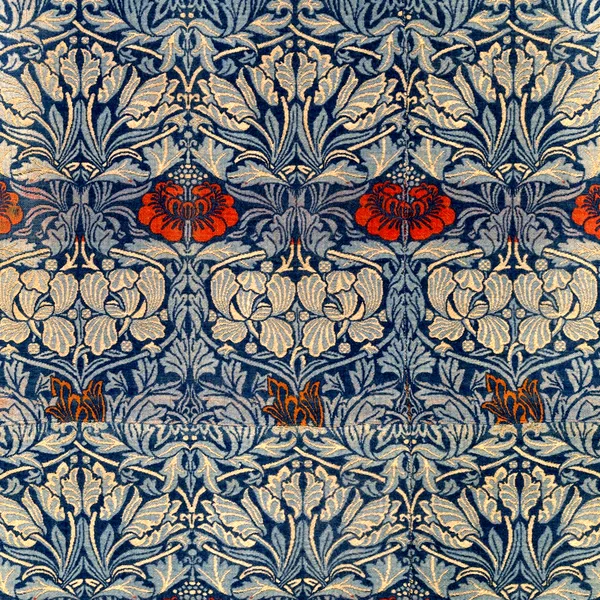
Tulip and Rose1876 · William Morris
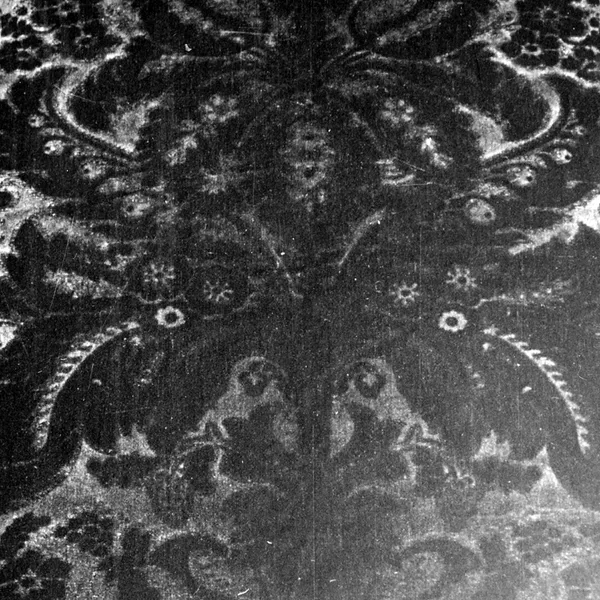
Utrecht Velvet1871 · William Morris
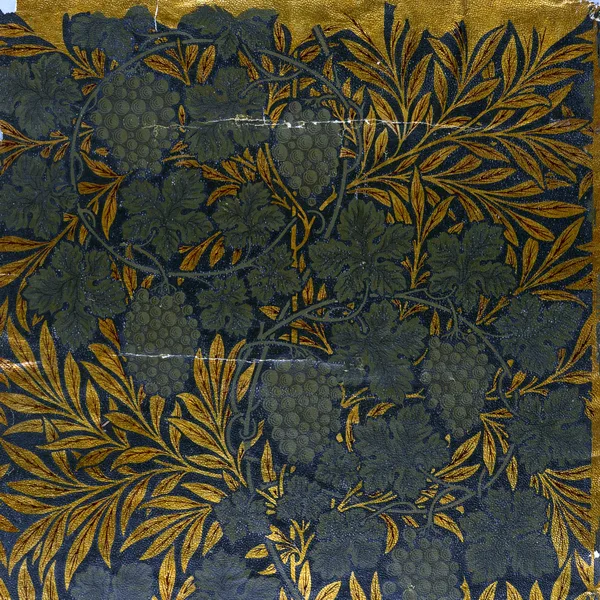
Vine1873 · William Morris
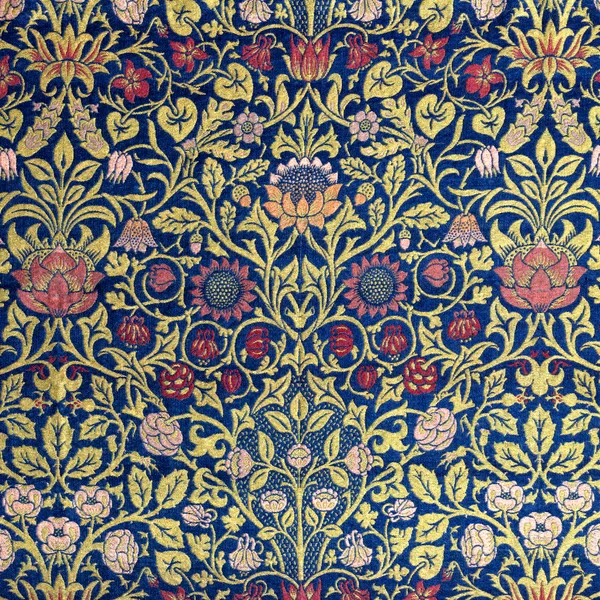
Violet and Columbine1883 · William Morris
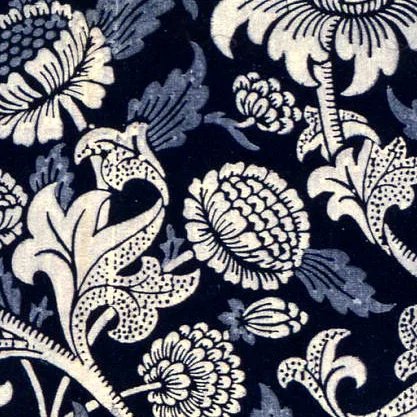
Wey1883 · William Morris
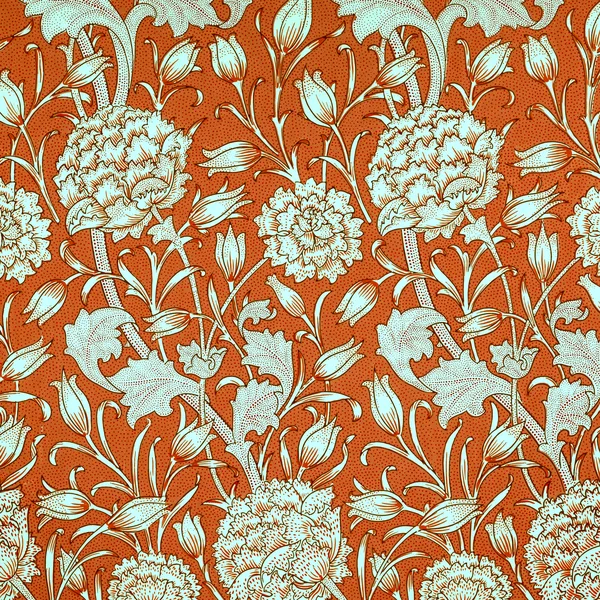
Wild Tulip1884 · William Morris
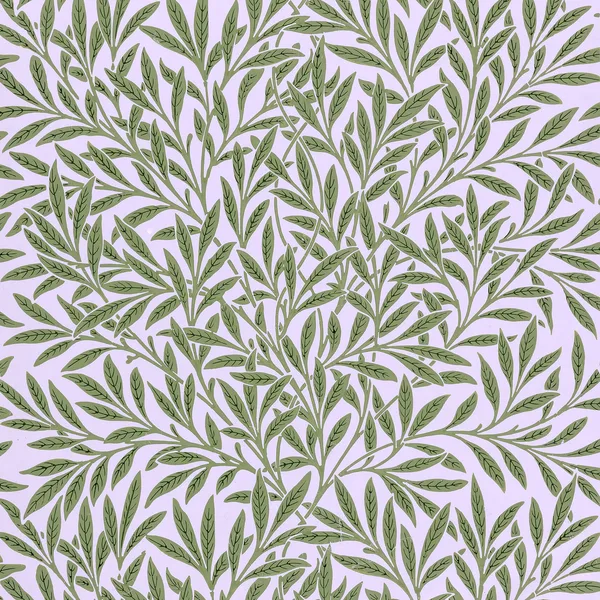
Willow1874 · William Morris
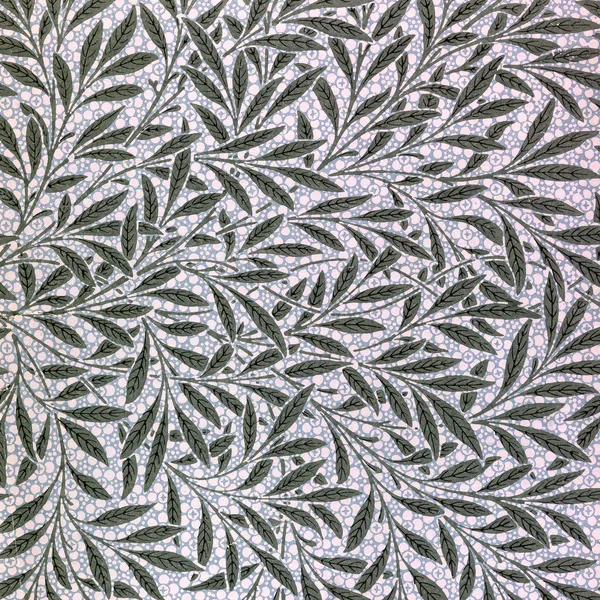
Willow Bough1887 · William Morris
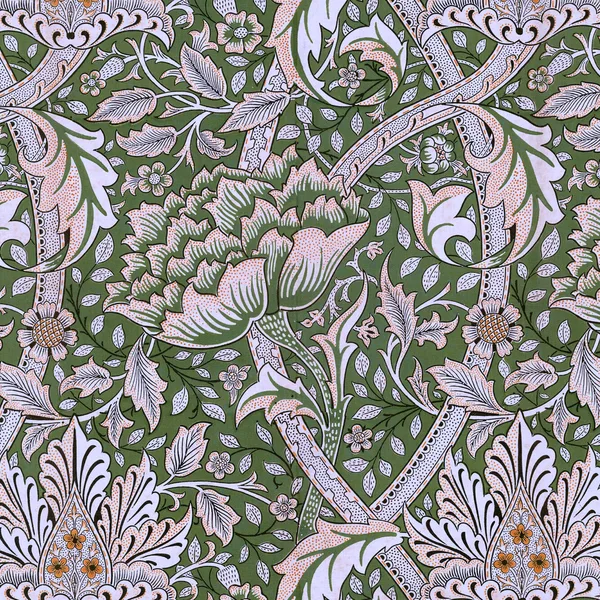
Windrush1883 · William Morris
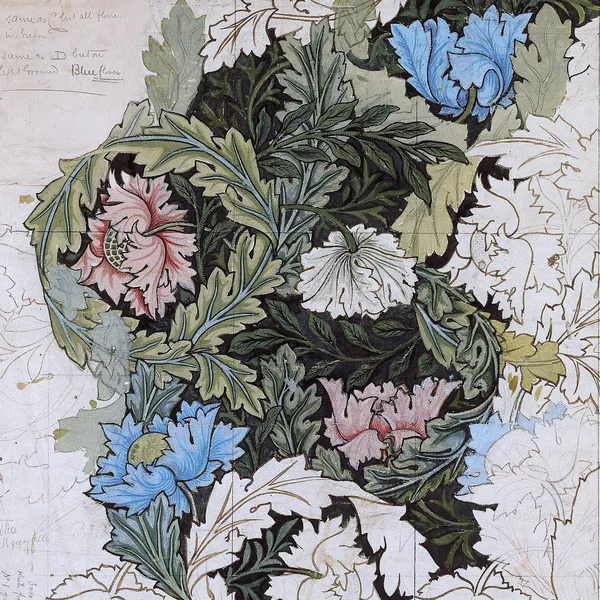
Wreath1876 · William Morris
63 designs, 111 colourways. Filter by motif, colour and type.
William Morris Posters
Morris patterns as posters on archival paper, from small prints to large wall pieces.
William Morris Poster Sets
Two or three Morris patterns that hang well together, chosen by colour and motif.
William Morris Wall Art
Morris patterns as wall art on paper, canvas and framed canvas.
William Morris Seamless Patterns
Repeat tiles of Morris designs for crafters and designers, cut from museum scans.
William Morris prints from the original patterns
You can buy William Morris prints for sale directly through this pattern library, reproduced from public-domain museum scans of original historic wallpapers and textiles. Each piece of William Morris wall art retains the precise line work, repeating rhythms, and traditional colourways developed during the nineteenth century. Every order is printed and shipped by ArtsyWall as made-to-order wall decor for your living space.
The collection includes designs across block-printed wallpapers, printed cotton chintzes, and woven furnishings. You can observe how scrolling acanthus foliage, garden roses, and woodland birds interlock across balanced repeating grids. Rather than modern digital recreations, these prints show the hand-drawn contours and authentic character of the original production runs.
Browse the designs
You can explore every William Morris design in the library by name, botanical motif, colour, and production medium. Each design entry gives you the documented history of the pattern, including its release date, original fabrication method, and attributed designer. You also see the specific museum source scan and available colourways.
Recognized patterns like Strawberry Thief appear alongside lesser-known repeating textiles produced by the firm. The catalog displays patterns featuring willow boughs, honeysuckle vines, tulips, and intricate forest grounds. By studying the full layout and individual repeat structures, you can find the right composition, palette, and scale for your interior.
Who designed the patterns
While many people attribute every Morris pattern to William Morris, several artists created repeating patterns for the decorative arts business. Morris founded Morris, Marshall, Faulkner & Co. in 1861 with Pre-Raphaelite friends, reorganizing it in 1875 as Morris & Co. under his sole direction. He designed dozens of repeating wallpapers and fabrics, drawing inspiration from nature and medieval methods that defined the British Arts and Crafts movement.
Other artists made lasting contributions to the company catalog. John Henry Dearle began as an assistant in the Oxford Street showroom in 1878, trained as an apprentice under Morris, and rose to become head designer by 1890. Dearle designed celebrated patterns including Compton, Daffodil, Cherwell, and Seaweed, frequently incorporating Persian and Turkish motifs. May Morris took charge of the embroidery department in 1885, while Kate Faulkner contributed wallpaper designs. This site identifies the true designer for each pattern rather than attributing every work to Morris alone.
Print formats
ArtsyWall produces each order on demand in three distinct physical presentations. You can select Archival Paper prints, which serve as classic William Morris posters for custom framing. Archival Paper uses an unframed, heavyweight 340gsm 100% cotton rag paper with a textured watercolor surface, shipped rolled inside a secure tube.
For stretched presentations, you can select Premium Canvas or Framed Canvas. Both canvas options feature thick, acid-free archival canvas stretched by hand across solid wood bars, produced with giclée printing rated fade-resistant for more than 100 years. Premium Canvas arrives with a sawtooth hanger on the back. Framed Canvas places the canvas inside a wood floating frame that leaves a slender space around the canvas edges. It includes a pre-installed hanging wire and comes in six finishes: black, white, gold, silver, walnut, and oak.
Seamless pattern files
In addition to physical prints, you can download seamless William Morris pattern files directly from the collection. A seamless pattern file is a digital image containing one complete repeat tile of a historical design. When you place these digital tiles edge to edge horizontally and vertically, the borders match cleanly without visible seams.
Some patterns repeat on a straight grid, while others use a half-drop repeat where alternate columns shift downward by half the pattern height. Each digital file matches the repeat geometry of the original hand-printed work. Designers and makers use these repeat tiles for print-on-demand fabric, custom paper goods, digital illustrations, and architectural mock-ups.
How Morris patterns were made
The production processes at Morris & Co. relied on historic craft practices and manual printing. Morris began creating repeating wallpaper designs in 1862 with Trellis, which Jeffrey and Co. printed from hand-carved woodblocks starting in 1864. When Morris expanded into printed chintzes around 1868, he rejected commercial mechanized roller printing in favor of traditional hand woodblock printing.
Color was another crucial focus of the firm’s workshops. Between 1875 and 1878, Morris collaborated with silk dyer Thomas Wardle in Leek to revive natural organic dyes, rejecting synthetic aniline formulas. He revived indigo vats for deep blues, madder, kermes, and cochineal for reds, and walnut shells and roots for warm browns. In 1881, Morris relocated his operations to Merton Abbey Works along the River Wandle, using the river’s water for fabric dyeing, textile printing, and stained glass production.
- William Morris: Who William Morris was: designer, writer, printer and founder of the Arts and Crafts movement.
- The Arts and Crafts Movement: How the Arts and Crafts movement began, what it stood for, and the patterns it left.
- Strawberry Thief by William Morris: The thrushes at Kelmscott, indigo discharge printing, and the colourways of Strawberry Thief.
Questions and answers
Where can I buy William Morris prints?
You can buy William Morris prints directly from this online pattern library at williammorrisprints.org, with orders printed and shipped by ArtsyWall. The catalog contains fine art prints reproduced from public-domain museum scans of historical wallpapers and textiles. Each print is custom produced in your choice of Archival Paper, stretched Premium Canvas, or Framed Canvas with included hanging hardware.
Did William Morris design all the Morris patterns?
No, William Morris did not design every pattern released by the firm. Other staff members produced many of the firm's well-known patterns, including John Henry Dearle, who became head designer in 1890 and later served as art director. Dearle designed Compton, Daffodil, and Cherwell, while May Morris directed embroidery and Kate Faulkner created wallpaper patterns.
Are William Morris designs public domain?
Yes, original William Morris patterns are in the public domain. William Morris died in 1896, so copyright on his artwork has expired worldwide. Patterns by other firm contributors are also public domain, as John Henry Dearle died in 1932 and May Morris died in 1938. The digital reproductions on this site originate from CC0 museum scans.
What is a seamless pattern file?
A seamless pattern file is a downloadable digital graphic representing one complete repeat unit of a pattern. When arranged edge to edge horizontally and vertically, the pattern tiles align precisely without visible seams or breaks. Crafters and commercial creators use these files to print custom fabric on demand, produce paper goods, and build digital rendering backgrounds.
What is the difference between Archival Paper and canvas?
Archival Paper is an unframed fine art print made on 340gsm cotton rag with a watercolor feel, delivered in a shipping tube. Canvas prints use thick archival canvas stretched across solid wood bars and arrive ready to hang on your wall. Framed Canvas adds a wood floating frame around the stretched canvas, while Premium Canvas uses a sawtooth hanger.